Walls rarely receive the same attention as equipment, flooring, or major building systems, but their condition contributes significantly to how a commercial or industrial facility is maintained and perceived. In high-traffic environments, walls are exposed to carts, equipment, deliveries, employee activity, moisture, and everyday contact. Professional painting and drywall services help facilities address everything from worn finishes and surface damage to holes, cracks, and deteriorating drywall that require more than cosmetic attention. For property managers and facility operators throughout Utah, knowing when a quick touch-up is sufficient and when professional repair is needed helps protect building conditions and maintain a clean, professional environment.
Commercial walls experience considerably more activity than walls in less demanding environments. Hallways, loading areas, production spaces, storage rooms, offices, and common areas may be exposed to repeated contact from people, equipment, and materials. Over time, this activity can produce dents, chipped paint, damaged corners, holes, and other visible deterioration.
Minor cosmetic damage may be addressed through routine painting, but repeated or deeper damage deserves additional attention. Simply covering a damaged area with another coat of paint does not restore compromised drywall or correct the condition responsible for recurring damage. Evaluating the surface before repainting helps facility managers determine whether cleaning, patching, drywall repair, or more extensive work is appropriate.
Not every crack or stain indicates a major building problem, but certain conditions should not automatically be treated as cosmetic. Recurring cracks, soft drywall, bubbling paint, discoloration, and persistent staining can indicate that something beyond normal surface wear is affecting the wall.
Before repainting or repairing drywall, facility managers should determine whether the affected area has an underlying issue that needs attention. Applying new paint over damaged material may temporarily improve appearance without resolving the reason the damage developed. Identifying the condition of the wall first allows the appropriate painting or drywall repair to be completed and helps reduce the likelihood of the same visible problem returning.
This version actually fits the painting and drywall service better because it stays focused on determining whether a wall needs a touch-up, drywall repair, or additional investigation. It also avoids making a moisture or mold claim that would require us to find a commercial-specific source.
Visible wall damage can influence how employees, customers, vendors, and visitors perceive a facility. A building may operate efficiently, but heavily scuffed paint, damaged drywall, and unrepaired holes can make maintenance appear inconsistent.
For manufacturing and processing environments, wall condition can also affect how organized and controlled the workplace feels. Maintaining surfaces throughout offices, corridors, production support spaces, and shared areas helps reinforce facility standards. Repairs also provide an opportunity to address damaged surfaces before normal traffic causes deterioration to spread.
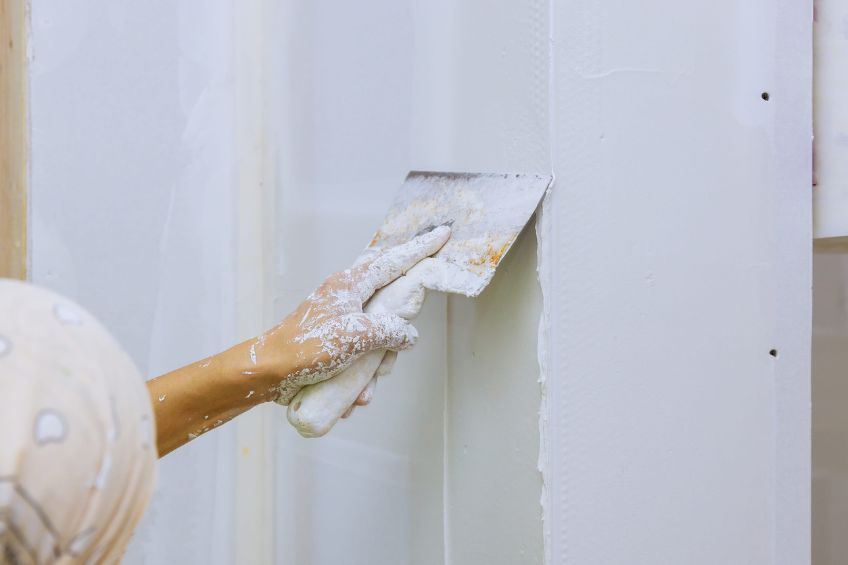
Quick touch-ups have their place, particularly when paint has been lightly marked or worn. More extensive damage requires a different approach. Proper drywall repair may involve removing damaged material, patching the affected area, preparing the surface, and applying an appropriate finish before repainting.
Treating the underlying damage first creates a more durable result than repeatedly covering visible defects. A structured approach also helps property managers maintain consistency across large facilities where wall damage can develop at different rates depending on traffic and operational activity.
Wall maintenance should be considered part of a broader facility management strategy rather than an occasional cosmetic project. Working with Complete Facility Management Solutions gives commercial properties, manufacturing facilities, industrial operations, food processing corporations, and processing plant managers throughout Utah access to painting, drywall, and facility maintenance support.
By identifying when walls need more than a quick touch-up, organizations can address damage appropriately, maintain professional facility standards, and protect interior surfaces from unnecessary deterioration. Well-maintained walls may operate quietly in the background, but their condition contributes to the overall quality of the facility every day.