As winter settles across Utah, commercial and industrial facilities face a unique set of seasonal challenges that directly influence workplace safety. Snow, ice, freezing temperatures, and reduced visibility can strain daily operations and increase risk for employees and visitors. A winter safety strategy is not simply a checklist, it's a seasonal framework that helps facility managers protect people, property, and workflow. In Utah’s climate, a proactive seasonal framework is the only way to minimize liability and guarantee operational continuity.
Utah’s weather patterns create conditions that can intensify safety risks quickly. The state’s combination of snow, temperature swings, and deep freezes brings consistent challenges to industrial and commercial environments. National guidance from organizations such as OSHA and the CDC highlights winter hazards including slips and falls, cold-related illnesses, and equipment issues caused by freezing temperatures. In Utah’s climate, these risks can appear abruptly, making proactive planning essential for uninterrupted operations.
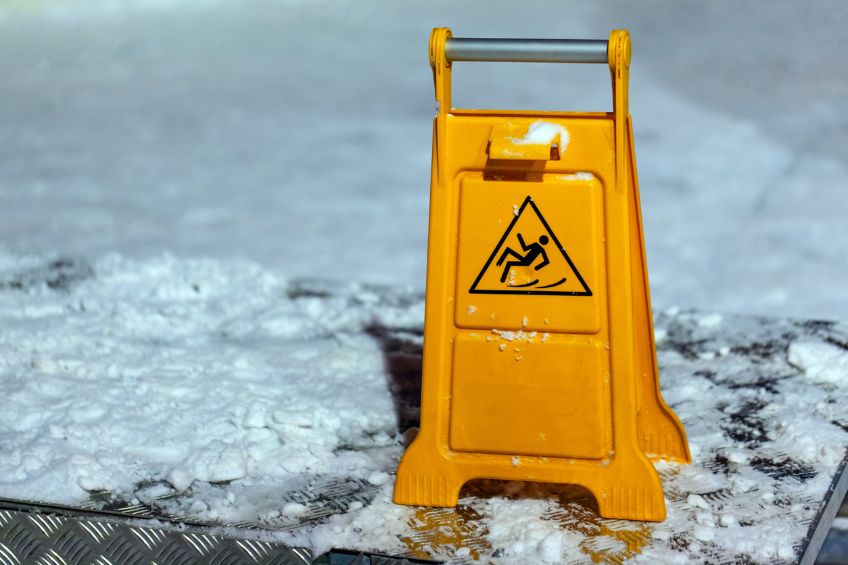
Employees working outdoors, in loading areas, or near entrances experience the most direct exposure to winter hazards. Ice accumulation, wet flooring, and fluctuating surface conditions increase slip and fall incidents, one of the most common winter injuries highlighted by national safety authorities. Indoors, heating systems and ventilation adjustments affect comfort and productivity for manufacturing teams, administrative staff, and food processing operations. When facility managers evaluate people-focused risk factors early, they develop safer pathways, predictable access routes, and more consistent working conditions throughout the season.
Winter conditions directly influence how equipment behaves under stress. Freezing temperatures can thicken lubricants, strain motors, block airflow, and interfere with sensor accuracy. These challenges are especially significant for industrial and processing facilities where equipment uptime supports production schedules and product consistency. Preparing equipment for cold-weather performance through inspections, adjustments, and targeted maintenance keeps systems operating smoothly when temperatures drop. When equipment is hardened for winter conditions, you reduce unexpected failures and maintain operational rhythm even during severe weather.
Seasonal hazards require seasonal adjustments to your emergency planning. Evacuation routes, response procedures, and communication plans must account for winter conditions that may delay movement or obstruct critical pathways. Reduced visibility, icy surfaces, and slower travel speeds all influence how quickly teams can respond to an incident. By verifying emergency lighting, reviewing communication steps, and ensuring backup heat sources are ready for use, you create a winter-ready response plan. When these updates are in place, teams respond with more confidence and coordination during unexpected events.
Creating a safe facility during winter demands ongoing attention, not a one-time preparation effort. Complete Facility Management Solutions provides seasonal maintenance, hazard monitoring, safety assessments, and corrective services that help facilities remain safe, accessible, and productive throughout Utah’s winter months. Their teams anticipate risks, inspect conditions, and implement solutions aligned with national safety standards. Partner with us today to build a stronger safety strategy that protects people, equipment, and business continuity all season long.