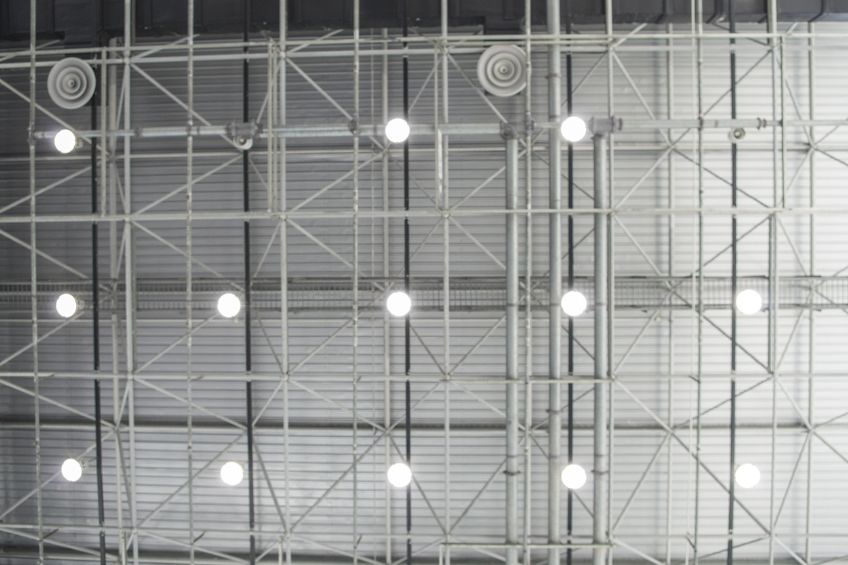
Lighting systems play a foundational role in how commercial, industrial, and processing facilities function each day. Consistent illumination supports employee safety, task accuracy, and operational efficiency across all areas of a facility. When bulbs and ballasts age without routine attention, facilities experience flickering lights, uneven visibility, and unexpected outages that disrupt workflows. For Utah facilities operating year-round, proactive lighting maintenance supports stable performance rather than reactive repairs.
Lighting components experience gradual wear through continuous operation. Bulbs slowly lose brightness, while ballasts are exposed to heat, electrical load, and long operating hours that increase the likelihood of failure. As performance declines, lighting systems draw inconsistent power and deliver reduced output. According to the U.S. Energy Information Administration, lighting represents a meaningful portion of energy use in commercial buildings, and inefficient systems increase electrical demand while delivering less effective illumination.
Without a routine replacement strategy, facilities often compensate with temporary fixes or delayed responses that place additional strain on electrical infrastructure. Planned bulb and ballast maintenance helps stabilize performance and avoid gradual efficiency loss.
Adequate lighting supports safe movement and accurate task execution across production floors, loading areas, walkways, and mechanical spaces. Dim or flickering fixtures reduce visibility, making it more difficult for employees to identify hazards, read controls, or navigate safely. In facilities operating multiple shifts, lighting reliability ensures consistent working conditions regardless of time of day. When ballasts fail unexpectedly, portions of a facility may be left underlit, forcing slowdowns or emergency service calls. Routine maintenance reduces these interruptions and supports dependable daily operations.
Lighting maintenance affects more than visibility alone. Aging bulbs and failing ballasts draw uneven electrical loads and generate excess heat, which can affect nearby systems and controls. Over time, this contributes to higher energy consumption and shortened fixture lifespan. Facilities that follow a planned replacement schedule benefit from steadier electrical demand and improved system reliability. In Utah, where winter months increase reliance on artificial lighting due to shorter daylight hours, maintaining lighting performance becomes even more important to support uninterrupted operations and energy stability.
Facilities that include lighting systems in their routine maintenance programs experience fewer disruptions and more predictable performance. Proactive strategies emphasize regular inspections, planned replacements, and system monitoring rather than waiting for failures to occur. This approach improves visibility, supports safety initiatives, and reduces emergency maintenance demands. Treating lighting as a core operational system allows facilities to maintain consistency while controlling long-term costs.
Managing lighting systems across large commercial and industrial properties requires coordination, technical knowledge, and consistent execution. Complete Facility Management Solutions provides bulb and ballast replacement services as part of comprehensive routine maintenance and repair programs. Their teams help facilities maintain reliable illumination, support safety goals, and reduce unexpected lighting failures. By working with an experienced maintenance partner, facility managers ensure lighting systems remain dependable and aligned with daily operational demands throughout the year.