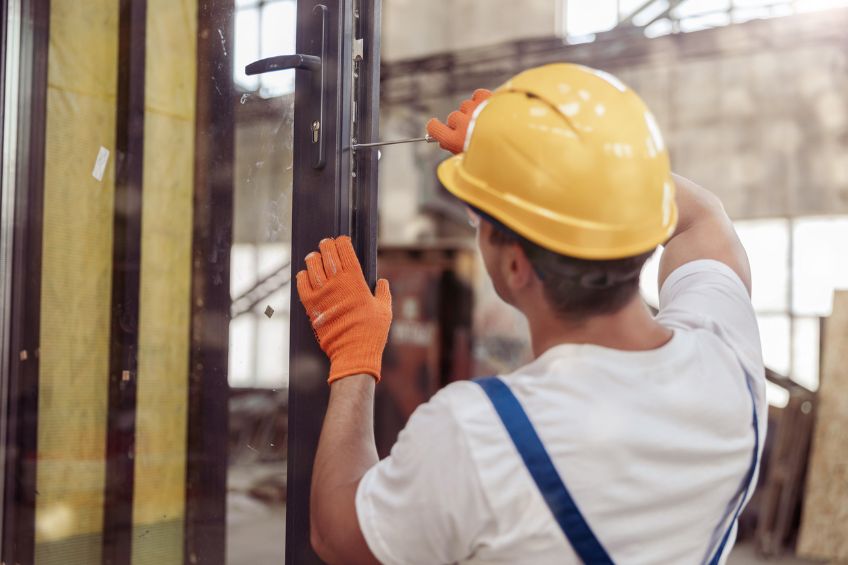
Doors and locking systems are among the most frequently used components in commercial and industrial facilities, yet they are often overlooked in routine maintenance planning. Every employee shift, delivery, inspection, and emergency response depends on doors opening, closing, and securing properly. In Utah facilities that operate year-round, seasonal temperature swings combined with constant daily use accelerate wear on hinges, frames, and locking hardware. When door and lock performance declines, safety, security, and operational efficiency are all affected.
Doors and locks endure continuous use in manufacturing plants, processing facilities, warehouses, and commercial properties. Over time, hinges loosen, frames shift, closers lose tension, and locking mechanisms wear down. These issues often start subtly with doors sticking, failing to latch, or closing unevenly. While these problems may seem minor at first, they gradually interfere with movement throughout the facility. Delayed access, jammed doors, and unreliable locks create frustration for employees and increase the likelihood of unplanned repairs. Routine inspections allow facility managers to identify early signs of wear and address issues before they escalate into disruptions.
Properly functioning doors and locks play a direct role in maintaining safe and controlled environments. Secure entry points help regulate who enters sensitive areas, while interior doors support separation between work zones, equipment rooms, and storage spaces. Federal workplace safety guidance consistently emphasizes maintaining building components that support safe movement and clear access throughout facilities. When doors do not close correctly or locks fail to engage, gaps in access control emerge that affect both employee safety and property protection. Regular maintenance helps facilities preserve consistent access standards without relying on temporary fixes.
Doors are also essential to emergency preparedness. Exit routes depend on doors that open smoothly, remain unobstructed, and function as expected under pressure. In emergency situations, malfunctioning doors can slow evacuation and create confusion during critical moments. Utah workplace safety authorities encourage employers to maintain building systems that support safe movement during unexpected events. Routine door and lock maintenance helps ensure exit routes remain reliable and that facilities are prepared to respond effectively when emergencies occur.
Beyond safety and security, door and lock performance directly affects productivity. Doors that do not operate smoothly slow material handling, interrupt workflow patterns, and create congestion at transition points. In industrial and processing environments where timing and coordination matter, even brief delays can ripple through production schedules. When doors and locks function properly, employees move efficiently between areas, equipment access remains uninterrupted, and operations maintain their intended pace.
Including doors and locks in routine facility care allows managers to address wear before it leads to failure. Complete Facility Management Solutions provides maintenance and repair services that help commercial and industrial facilities maintain reliable access points, secure locking systems, and smooth daily movement throughout their properties. By partnering with a team that understands how entry and exit systems support safety, security, and operational efficiency, Utah facilities strengthen performance, reduce avoidable disruptions, and maintain confidence in their day-to-day operations throughout the year.