Across commercial and industrial sectors, facilities maintenance has traditionally been viewed as a reactive function. A system fails, a vendor is called, and operations adjust to accommodate repairs. However, throughout Utah’s commercial properties, manufacturing plants, and processing facilities, this perspective is evolving. Leaders are increasingly recognizing that commercial facilities maintenance is not simply about addressing breakdowns. It is a structured operational strategy that strengthens resilience, protects investments, and supports long term business performance.
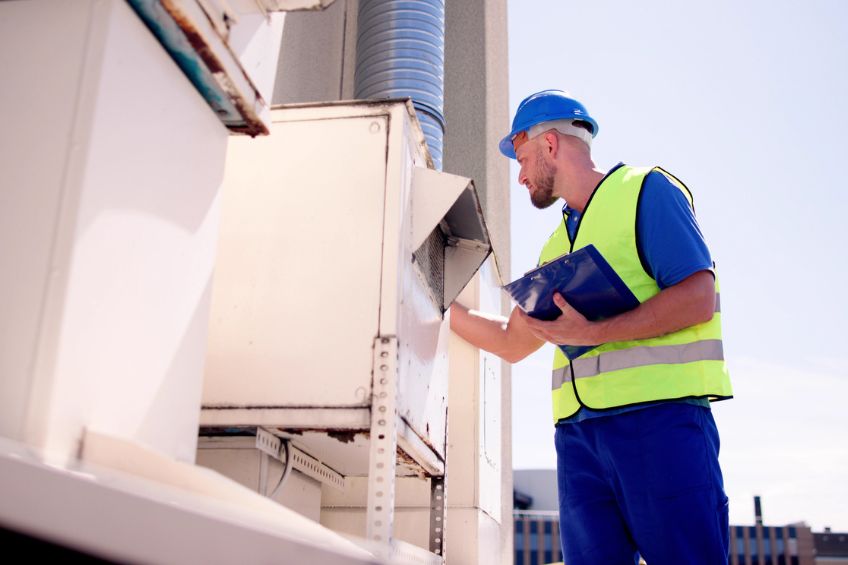
Across commercial and industrial facilities, experience has shown that preventive maintenance reduces emergency repairs and extends the useful life of building systems. When maintenance is handled reactively, minor issues often go unnoticed until they develop into larger and more expensive failures. A comprehensive maintenance strategy emphasizes routine inspections, performance evaluations, and early identification of wear across mechanical, electrical, plumbing, and life safety systems. By identifying concerns before they escalate, facility managers can plan service around operational schedules instead of responding to unexpected disruptions that interrupt production or tenant activity.
Commercial and industrial facilities represent substantial capital investments. Building systems such as HVAC, electrical panels, fire protection equipment, and plumbing networks operate continuously and degrade gradually over time. Engineering and building performance research shows that deferred maintenance accelerates deterioration and increases lifecycle costs. Facilities that implement structured maintenance strategies preserve asset integrity and reduce the likelihood of major replacements. Over time, predictable maintenance spending stabilizes operating budgets and minimizes financial volatility tied to emergency repairs.
Maintenance strategy also plays a direct role in workplace safety and compliance. Fire and life safety systems, emergency lighting, ventilation equipment, and water systems must remain fully operational to support safe conditions. Federal safety agencies emphasize routine inspection and upkeep as part of responsible facility oversight. When organizations adopt comprehensive maintenance programs, they reduce the risk of system failures that could compromise safety or delay regulatory inspections. Ongoing oversight reinforces accountability and demonstrates a commitment to responsible property management.
In competitive markets, operational continuity is a measurable advantage. Manufacturing and processing facilities depend on reliable infrastructure to meet production targets and contractual commitments. Unexpected downtime can disrupt supply chains, delay shipments, and affect customer relationships. Comprehensive facilities maintenance reduces vulnerability by identifying stress points before failure occurs. Proactive servicing keeps systems aligned with performance expectations and helps organizations maintain steady output even during periods of high demand.
Coordinating maintenance across multiple systems and service areas requires expertise and structured planning. Complete Facility Management Solutions delivers integrated commercial facilities maintenance services designed to support Utah properties through preventive oversight, scheduled service, and responsive repairs. By consolidating maintenance under a comprehensive strategy, organizations streamline vendor coordination, improve service accountability, and maintain greater visibility into facility performance. In modern operations, facilities maintenance is not merely a repair function. It is a strategic business advantage that protects people, preserves infrastructure, and sustains productivity across the lifecycle of the property.