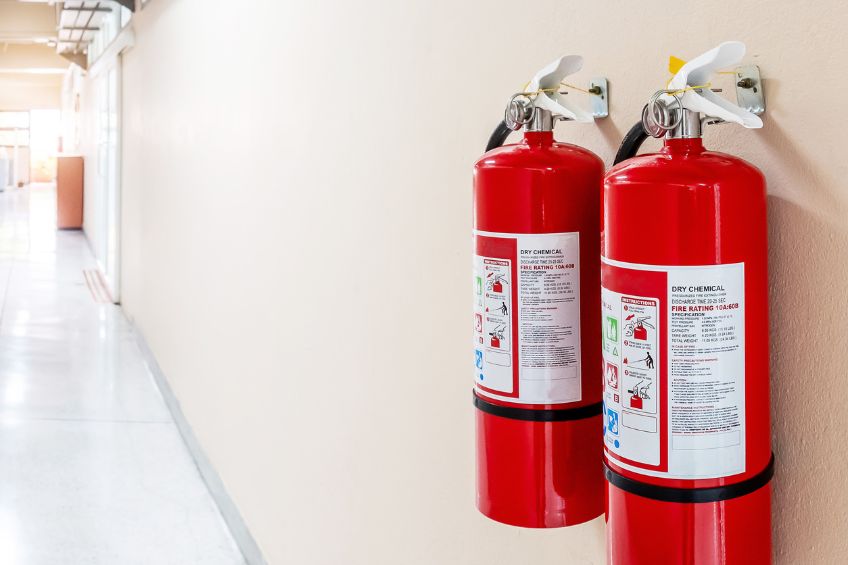
Your fire and safety systems are built to perform in the moments when response time matters most. Fire alarms, sprinkler systems, suppression equipment, emergency lighting, and control panels operate quietly in the background of your facility every day. Because they are not part of daily production or visible workflows, they can easily become out of sight and out of mind. However, when an emergency occurs, these systems must function immediately and without hesitation. Preventive maintenance ensures your fire and life safety infrastructure remains ready to protect not only your building, but the people, operations, and long-term stability of your organization.
Even the most advanced fire protection systems are subject to wear. Dust accumulation can affect sensors, sprinkler heads may corrode, valves can shift, and emergency lighting batteries lose charge capacity. In Utah facilities, seasonal temperature changes, dry air conditions, and operational vibration from machinery can gradually impact system components. These changes may not be obvious during daily operations, yet they can reduce reliability when systems are needed most. By incorporating routine inspection and preventive service into your commercial facilities maintenance strategy, you identify and correct small deficiencies before they escalate into performance failures.
When fire and life safety systems fail, the impact extends far beyond physical damage. Employee safety, visitor confidence, and operational continuity are immediately at risk. In manufacturing, processing, and industrial environments, even a minor fire event can halt production, damage materials, and disrupt supply chains. Preventive maintenance reduces uncertainty by verifying that detection systems, notification devices, and suppression equipment are functioning properly. When your systems are maintained consistently, you protect not only lives and assets, but also your organization’s ability to maintain steady operations and preserve its reputation.
Commercial properties and industrial facilities must meet inspection and testing requirements related to fire and life safety systems. While passing inspections is necessary, compliance alone does not guarantee readiness. Systems that are only evaluated at required intervals may develop issues between inspections. Preventive maintenance fills that gap by providing continuous oversight rather than periodic checks. This proactive approach reduces the likelihood of unexpected deficiencies, supports audit readiness, and demonstrates responsible facility management to stakeholders and regulatory authorities.
Fire and life safety systems should be viewed as essential infrastructure within your broader maintenance plan. Partnering with Complete Facility Management Solutions allows you to integrate preventive fire system maintenance into a comprehensive commercial facilities maintenance program tailored to Utah operations. Their teams understand how fire protection systems interact with electrical, mechanical, and operational environments, ensuring readiness without disrupting productivity. When you prioritize preventive maintenance, you strengthen protection for your workforce, safeguard your property, and ensure your facility remains prepared for unexpected events throughout the year.