As Utah facilities enter peak heating season, energy demand rises sharply across commercial, industrial, and processing environments. Maintaining comfortable indoor temperatures becomes more challenging and more expensive when equipment is not optimized for winter performance. Yet reducing energy use doesn’t mean sacrificing comfort. With a strategic, technical approach to heating system management, facilities can maintain stable indoor conditions while operating more efficiently throughout the winter.
Heating accounts for a substantial portion of energy use in commercial buildings, especially in colder regions. The U.S. Energy Information Administration notes that heating loads in cold-weather states require significantly more energy than in warmer climates, making efficiency measures critical during winter operations.
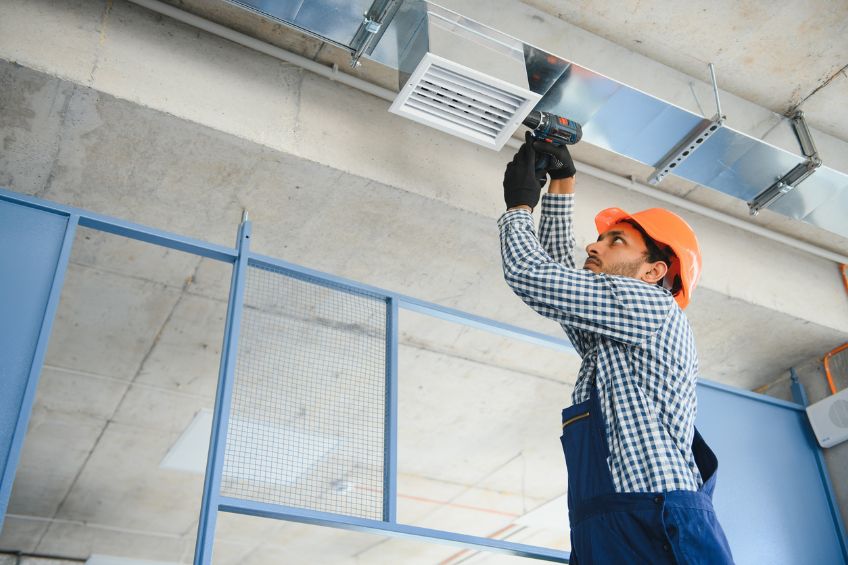
For Utah facilities ranging from manufacturing plants to food processing sites this means HVAC systems work harder and longer as temperatures drop. When equipment is uncalibrated, poorly maintained, or burdened by airflow restrictions, energy consumption rises rapidly. Optimizing the heating system through routine inspections, cleaning, and performance adjustments helps maintain reliability throughout the seasonal demand spike.
Facilities can reduce winter energy consumption by focusing on improvements that support system performance and airflow stability. Industry guidance highlights several ways building managers can operate more efficiently without disrupting comfort expectations.
Effective strategies include verifying thermostat accuracy, confirming that system controls follow occupancy schedules, and ensuring insulation and ductwork integrity. Maintaining clean filters, functioning dampers, and balanced airflow supports smoother and more stable performance. These adjustments allow heating systems to run without unnecessary strain, minimizing energy waste while still delivering the comfort required for employees, tenants, and equipment-dependent operations.
Comfort plays a vital role in employee productivity and the stability of sensitive equipment. Winter conditions can make temperature management more complex, but consistent maintenance ensures heating systems respond evenly and efficiently across different zones. When equipment runs cleanly and circulates heat properly, facilities can maintain optimal indoor environments without overheating or overcorrection, both of which contribute to unnecessary energy use. A well-maintained system also supports more predictable temperatures, helping you avoid hot-cold fluctuations that disrupt workflow or require manual adjustments.
To achieve reliable seasonal performance, many facilities benefit from working with specialists who can evaluate system health, identify efficiency losses, and ensure controls are set correctly for winter conditions. Complete Facility Management Solutions provides maintenance programs tailored to the demands of Utah’s commercial and industrial facilities. Their technicians deliver the inspections, cleaning, calibration, and monitoring needed to keep heating systems running smoothly throughout the season. By partnering with a team that understands both energy management and operational comfort, you equip your facility to lower energy use, maintain stable indoor conditions, and operate confidently through winter and beyond.