Facility efficiency in Utah’s commercial and industrial environments is no longer just a conversation about energy savings. In warehouses, food processing plants, and production facilities, lighting plays a direct role in maintaining a safe, compliant, and productive operation. While the financial benefits of energy-efficient lighting are well understood, its impact on workplace safety, operational uptime, and employee satisfaction often goes under the radar.
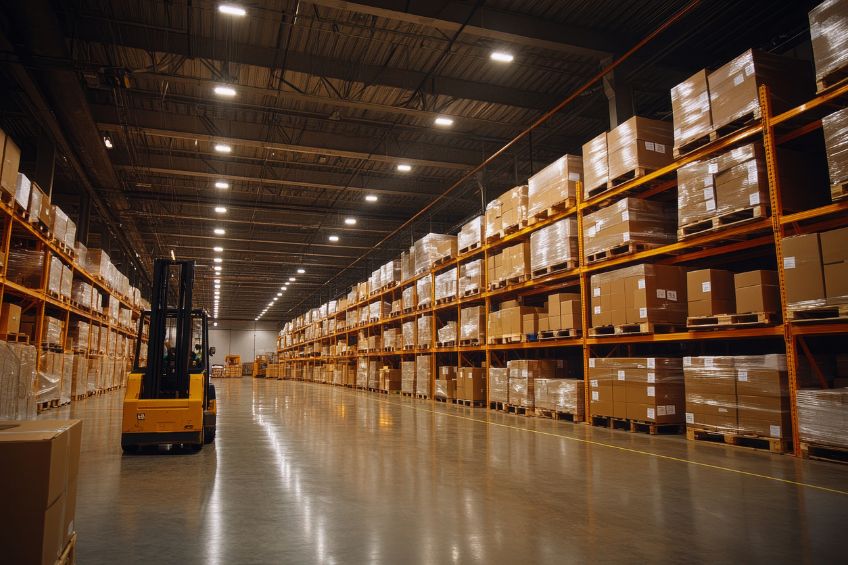
Inadequate lighting is a known hazard across many industries. From warehouses with high forklift traffic to food plants requiring inspection-ready visibility, poor illumination can directly lead to accidents. According to the Occupational Safety and Health Administration (OSHA), all exit routes in a facility must be sufficiently illuminated to ensure safe egress during regular operations and emergencies. Subpar lighting can also hinder workers’ ability to identify spills, equipment malfunctions, or blocked pathways, all of which increase the chance of injuries or costly disruptions.
Beyond emergency requirements, OSHA and ANSI lighting standards help ensure specific areas—such as stairwells, workstations, and inspection zones—maintain appropriate brightness. For example, tasks involving detailed visual inspection require higher foot-candle levels than general storage areas. Failing to meet these requirements puts facilities at risk for compliance violations and reduced productivity.
Even the best-designed lighting systems degrade over time. Bulbs dim, fixtures collect dust, sensors stop detecting motion, and LEDs lose intensity. A facility that was once safely illuminated can slowly become a risk zone if lighting maintenance is overlooked.
Maintaining consistent lighting levels across stairwells, walkways, and operational areas requires more than just switching bulbs. It involves cleaning fixtures, inspecting placement and output, checking for wiring issues, and addressing malfunctioning controls. Facilities that take lighting seriously—through scheduled inspections and preventive upkeep—are better positioned to stay within safety standards, reduce liability, and maintain a productive work environment.
In Utah, industrial operations often run extended shifts or operate 24/7. That’s why Complete Facility Management Solutions integrates lighting performance into its broader suite of facility maintenance services. Their teams perform scheduled lighting checks, clean high fixtures, coordinate replacements, and ensure that lighting is factored into audits and seasonal maintenance routines. Whether it’s a dark corner in a production corridor or inconsistent lighting in a loading dock, these issues are addressed before they lead to injuries or compliance failures.
Lighting is also closely tied to employee well-being. A well-lit break room, clearly marked walkways, and properly illuminated restrooms can all contribute to higher morale and lower turnover. These benefits align with the overall goal of building not just functional—but dependable—facilities.
Lighting is more than a fixed utility. It is a maintenance-sensitive, safety-forward part of operational infrastructure. A facility that treats lighting as a strategic priority—not just an energy conversation—is better positioned to avoid downtime, ensure compliance, and keep workers safe. With Complete Facility Management Solutions as your facility partner, lighting becomes a functional asset that aligns with your safety goals, maintenance standards, and operational uptime needs.